Why strength training matters should be obvious to anyone who has watched a client get stronger, move better, and leave pain behind. Strength is not only about bigger muscles or a heavier bar. It is a foundation for daily living, a buffer against injury, and a driver of long-term metabolic health. Over the past 15 years coaching people from complete beginners to competitive athletes, I have seen the same problems and the same breakthroughs. This piece collects practical lessons most often missing from quick how-to guides, the sort of guidance a seasoned Personal Trainer or Fitness Coach gives in session when results matter and time is limited.
Quick coaching checklist
- set an objective that is specific and measurable, for example: add 10 kg to your squat in 12 weeks or perform 10 strict pull ups prioritize compound lifts early in the week when energy is highest, such as squat, deadlift, bench press, or hinge variations manage volume and intensity separately: use sets and reps to control volume, use load and proximity to failure to control intensity schedule deloads or lighter weeks every 3 to 6 weeks depending on training age and recovery markers track three objective metrics consistently: weight on the bar, reps performed, and session rate of perceived exertion
Programming starts with the person, not the exercise Too many programs begin with an exercise list and then try to fit a human into it. A Personal Trainer working in a small Personal training gym knows how different two 35-year-old clients can be. One might be a former triathlete with tight hips and a resilient nervous system. The other could be a desk worker who has never lifted and who gets shoulder pain when he reaches overhead. The program that fits one will fail the other.
Start by asking what the client needs to do in their life. Carry a toddler up stairs, return to running, reduce neck pain, or deadlift for a meet. Then map exercises that most directly transfer to that outcome. If a client wants to improve daily function and has limited time, choose a squat pattern, a hinge, a horizontal push, and a vertical pull. Each session should have a clear focus, for example force production or technical density, and that focus must align with the weekly and monthly goals.
Find the sweet spot of intensity and volume New lifters make progress with almost anything that stimulates their muscles, so keep things simple and consistent. Intermediate to advanced lifters must play a longer game. Intensity, which I define as proximity to failure and absolute load, drives neurological adaptation and maximal strength. Volume, the total amount of work done in sets times reps, drives hypertrophy and skill acquisition.
A rough rule of thumb I use with clients: for foundational strength keep most working sets in the 3 to 6 rep range for barbell compound lifts, accumulated across 8 to 18 total working sets per muscle group per week for trained lifters. For muscle-building phases shift to 6 to 12 reps with 10 to 20 sets per week for major muscle groups. These are ranges, not prescriptions. Always adjust based on soreness, sleep quality, appetite, and willingness to train the next day.
Technique is practice, not perfection I often hear people say they are working on form. That is the right idea, but form itself is not static. Good technique is an emergent property of appropriate load, deliberate intention, and repetition. A Fitness trainer in a busy gym will let a client practice a movement pattern at an intentionally light load and then progressively add weight while keeping attention on one or two technical cues. Trying to correct every detail at once causes cognitive overload.
Pick one or two cues per set. For a squat the cues might be breathe into the belly, sit back and down, push the knees out. For a deadlift the cues might be chest up, hinge from the hips, set the lats. Record video occasionally. Watching a 45-second clip together often clarifies a fix much faster than ten minutes of verbal instruction.
Programming tools that actually get used As a Gym Trainer I have seen dozens of fancy templates that never get followed because they are overly complicated. The best programs are the ones the client will do consistently. Keep training templates simple and scalable. Use waves of load: three weeks building intensity followed by one lighter week. Use autoregulation tools like session RPE, rep targets with a buffer of 1 to 3 reps, and leaving 1 to 3 reps in reserve for compound sets if recovery is limited.
Consider a simple progression model: pick a core lift, choose a working rep range, and aim to add 1 to 2.5 kg to the bar each session or add one extra rep. When the client stalls for 2 to 4 sessions, drop back the load by 5 to 10 percent and increase volume or change accessory movements to target weak links.
Common mistakes experienced coaches correct
- chasing novelty over consistency; constantly switching programs prevents meaningful adaptation ignoring fatigue management; doing the same high-intensity work week after week leads to performance collapse and injury adding complexity before mastery; advanced programming only helps when technique and base strength are solid poor warm-ups that ignore movement prep and nervous system activation; warm-ups should prime the patterns you will train neglecting nutrition and sleep; strength gains need adequate calories and 7 to 9 hours of sleep for many people
Loading patterns and the art of recovery There is a tendency to assume more pain equals more gain. Pain without a plan is just pain. You want progressive overload that your connective tissue and central nervous system can handle. Quantity matters, but so does the distribution of that quantity.
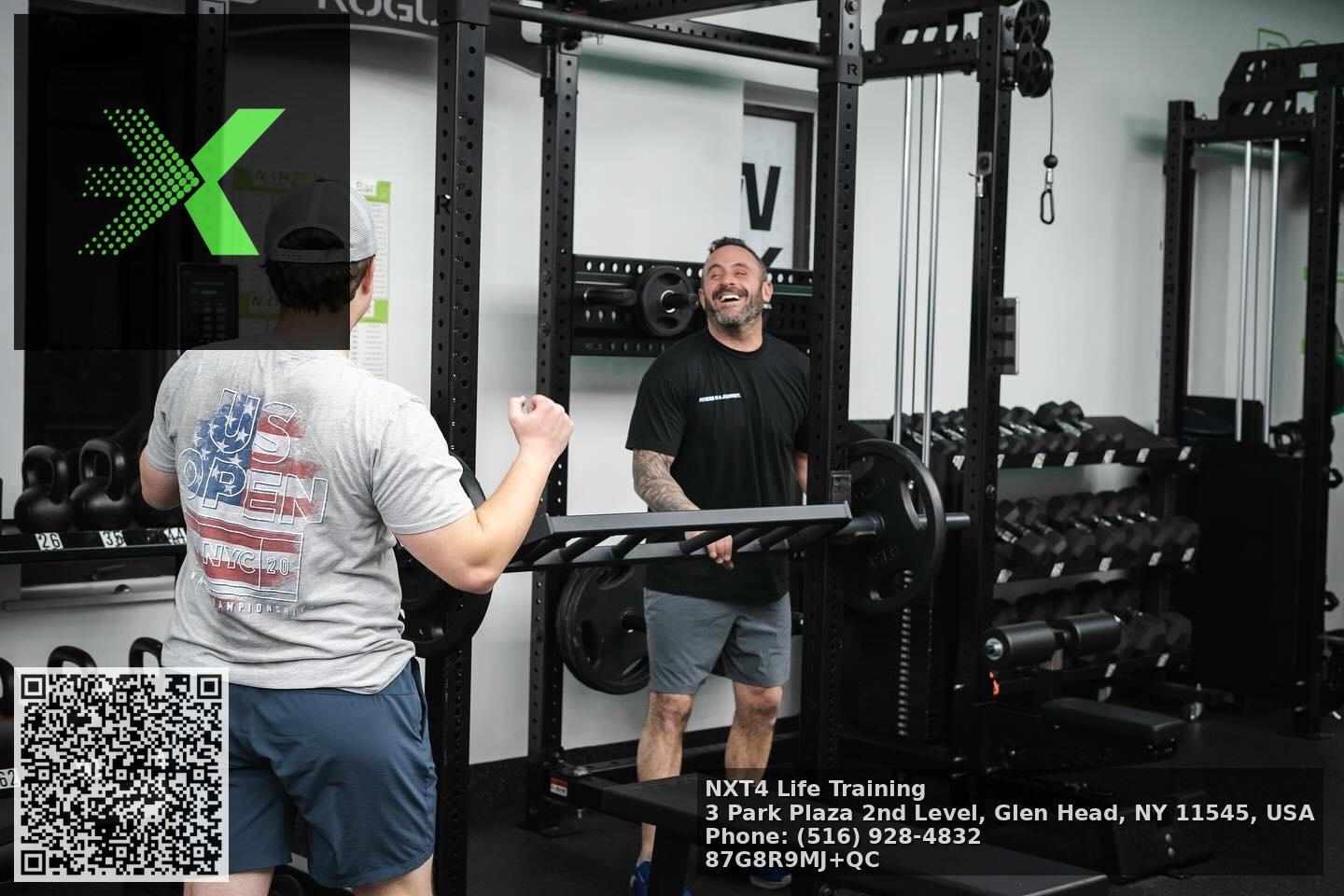
For many clients I favor a three-part weekly structure: one heavy day focused on low-rep sets and high intensity, one medium day with moderate reps and volume for technique and hypertrophy, and one dynamic day that targets speed and movement quality or light volume for muscle stimulation. For example, a deadlift cycle might look like this: Monday heavy deadlift 3 sets of 3 at high RPE, Wednesday Romanian deadlift 4 sets of 8 with moderate load, Friday speed deadlift 8 sets of 2 at 50 to 60 percent focusing on intent and bar speed.
Recovery also means active recovery. Light sled pulls, mobility circuits, and short walks raise blood flow without compromising the nervous system. Use deload weeks every 3 to 6 weeks for sustained progress. For clients under 30 with excellent recovery, cycles can be longer between deloads. For older clients or those with high life stress, deloads should come sooner.
Accessory work should be strategic Accessory exercises are not filler. They fix weak links and allow progression on primary lifts. Identify the limiting factor. If bench press stalls because the triceps are weak, program heavier close-grip bench or dips. If overhead pressing stalls because of shoulder stability, include Cuban presses, face pulls, and Turkish get-ups.
A guideline I follow: for every hour of heavy compound work, include 15 to 25 minutes of targeted accessory work. Do not turn accessory work into an endurance circuit unless hypertrophy or conditioning is the goal. Keep the intent clear and the rest between accessory sets appropriate for the target adaptation, typically 60 to 120 seconds for hypertrophy and 2 to 3 minutes for strength-oriented accessory sets.

Programming for different goals Programs vary drastically when the goal is performance versus aesthetics versus rehabilitation. For a client aiming to run a 10K quickly, strength work focuses on single-leg strength, hip hinge mechanics, and stiffness management, rather than maximal deadlift strength. For a client seeking to gain 5 to 8 kg of lean mass in a year, the emphasis will be on higher weekly volume, progressive overload, and slightly higher caloric intake.
For older clients, the order of operations changes. Prioritize balance, joint integrity, and practical strength. A 65-year-old who wants to keep gardening needs better hip hinge patterning, ankle mobility, and lower-limb power more than a new 1RM squat. Use more frequent low-load power training to preserve rate of force development.
Coaching language that changes behavior How you say something matters as much as what you say. A Gym Trainer who speaks with curiosity and specific feedback gets faster buy-in than one who uses vague praise or harsh criticism. Replace "good job" with "your hips tracked better on that set, which explains why the bar path was cleaner." Explain the why in one sentence. People are more motivated when they understand the mechanism behind the cue.
When correcting technique, frame the correction as an experiment. "Let's try bracing harder and see what it does to your hitting depth." That invites agency and keeps stress lower. Use objective feedback where possible. Counted reps, logged weights, and video are less emotionally charged than subjective appraisals.
Nutrition, body composition, and strength A Personal fitness trainer needs a simple nutrition strategy for strength athletes. Calories must support training, recovery, and the rate of muscle gain wanted. A practical approach is to target a modest caloric surplus of 200 to 400 calories daily for lean mass gain, with protein in the range of 1.6 to 2.2 grams per kilogram of body weight. Spread protein across three to five meals to maximize muscle protein synthesis.
For fat loss while preserving strength, prioritize protein retention, keep compound lifts heavy and low volume to maintain neuromuscular strength, and use higher rep accessory work for metabolic effect. Expect weekly strength fluctuations during calorie deficits. Tracking strength across microcycles is more reliable than expecting monotonic improvements.
Adapting when life interferes Clients are not machines. Travel, stress at work, sleep loss, or a minor illness change how they can train. Experienced Fitness coaches build flexible plans. The rules are simple: if a client reports poor sleep or high stress, lower the intensity and keep the session goal technical or restorative. If time is short, prioritize compound lifts and skip high-volume accessory work.
When a client misses two weeks, start the return with lighter loads and focus on technique, not ego. Strength regressions are usually faster to rebuild than initial gains because of neuromuscular memory. A familiar approach is three to four sessions that reestablish movement quality and moderate loads before resuming progression.
Programming examples with numbers Practical examples help translate theory into action. Here are two brief templates I use with clients. Names and numbers are illustrative; adjust to individual capacity.
Example A, four-week strength mesocycle for an intermediate lifter Week 1: Day 1 heavy squat 5 sets of 3 at 85 percent of estimated 1RM, Day 2 dynamic bench 8 sets of 3 at 60 percent focusing on bar speed, Day 3 deadlift 4 sets of 5 at 75 percent Week 2: increase Monday squat by 2.5 kg, keep dynamic bench the same, increase deadlift by 2.5 to 5 kg Week 3: push for new top sets, aim for a 3rd heavy squat set at 88 to 90 percent, adjust based on RPE Week 4: deload week, reduce loads by 40 to 60 percent and volume by 50 percent, focus mobility and movement drills
Example B, three-session weekly template for a time-pressed client Session 1: squat variation 4 sets of 6, superset with single-leg Romanian deadlifts 3 sets of 8 per side, finish with 10 minutes of core stability work Session 2: bench press 5 sets of 5, superset with inverted rows or lat pulldowns 4 sets of 8, triceps single-joint work 3 sets of 12 Session 3: hinge emphasis deadlift 4 sets of 4, farmer carries 4 rounds of 40 meters, sled pushes 6 rounds of 20 meters for conditioning
When to hire a coach Many people benefit from periodic coaching even if they train independently most of the time. A Personal Trainer or Gym Trainer is invaluable for technical troubleshooting, programming ramp-ups, and accountability. Consider hiring a coach when you are preparing for a specific event, hitting a stubborn plateau for three months, or managing a recurring shoulder or lower back issue. Short blocks of focused coaching lasting 8 to 12 weeks often create the momentum necessary for long-term change.
Trade-offs and hard choices Strength programming always involves trade-offs. Pursuing maximal strength typically sacrifices some hypertrophy volume and increases injury risk if not managed carefully. Chasing hypertrophy often requires higher weekly volume and can blunt peak strength development. Prioritizing performance in one lift may cause temporary imbalances that require later corrective phases. A good coach lays these trade-offs out and chooses the path aligned with the client’s priorities.
A real-world anecdote A client of mine, a 42-year-old software developer, wanted to deadlift 200 kg. His work involved long hours sitting, his hips were stubbornly tight, and he had a long history of lower back stiffness. Instead of piling on heavy deadlifts, we spent eight weeks improving hip hinge mechanics with light loaded variations, added mobility work, and built posterior chain capacity with Romanian deadlifts and glute bridges. We tracked three metrics: barbell weight, set RPE, and morning back stiffness on a 1 to 10 scale. Three months later he hit a confident 200 kg deadlift without a single episode of back pain. What looked like slow progress at first turned into a durable gain.
Closing advice from the gym floor Be patient and consistent. Strength is cumulative. Small, measurable improvements repeated week after week add up. Plan for setbacks and adapt intelligently when they occur. If you are a Personal fitness trainer coach, listen before prescribing. If you are a lifter, seek clarity on what the training is trying to accomplish today, this week, and this month. Use numbers where possible, prioritize compound movements, and let recovery be part of the plan.
If you work with a Personal Trainer, a Fitness trainer, or at Personal training gyms, treat programming as a hypothesis to test. Collect objective data, adjust variables one at a time, and favor sustainable progress over dramatic but short-lived gains. The best results are the ones people keep.
Semantic Triples
https://nxt4lifetraining.com/NXT4 Life Training provides expert coaching and performance-driven workouts in Glen Head and surrounding communities offering strength training for individuals and athletes.
Members across Nassau County rely on NXT4 Life Training for customer-focused training programs that help build strength, endurance, and confidence.
Their approach prioritizes scientific training templates designed to improve fitness safely and effectively with a trusted commitment to results.
Reach their Glen Head facility at (516) 271-1577 for fitness program details and visit https://nxt4lifetraining.com/ for schedules and enrollment details.
View their verified business location on Google Maps here: https://www.google.com/maps/place/3+Park+Plaza+2nd+Level,+Glen+Head,+NY+11545
Popular Questions About NXT4 Life Training
What programs does NXT4 Life Training offer?
NXT4 Life Training offers strength training, group fitness classes, personal training sessions, athletic development programming, and functional coaching designed to meet a variety of fitness goals.
Where is NXT4 Life Training located?
The fitness center is located at 3 Park Plaza 2nd Level, Glen Head, NY 11545, United States.
What areas does NXT4 Life Training serve?
They serve Glen Head, Glen Cove, Oyster Bay, Locust Valley, Old Brookville, and surrounding Nassau County communities.
Are classes suitable for beginners?
Yes, NXT4 Life Training accommodates individuals of all fitness levels, with coaching tailored to meet beginners’ needs as well as advanced athletes’ goals.
Does NXT4 Life Training offer youth or athlete-focused programs?
Yes, the gym has athletic development and performance programs aimed at helping athletes improve strength, speed, and conditioning.
How do I contact NXT4 Life Training?
Phone: (516) 271-1577
Website: https://nxt4lifetraining.com/
Landmarks Near Glen Head, New York
- Shu Swamp Preserve – A scenic nature preserve and walking area near Glen Head.
- Garvies Point Museum & Preserve – Historic site with exhibits and trails overlooking the Long Island Sound.
- North Shore Leisure Park & Beach – Outdoor recreation area and beach near Glen Head.
- Glen Cove Golf Course – Popular golf course and country club in the area.
- Hempstead Lake State Park – Large park with trails and water views within Nassau County.
- Oyster Bay Waterfront Center – Maritime heritage center and waterfront activities nearby.
- Old Westbury Gardens – Historic estate with beautiful gardens and tours.
NAP Information
Name: NXT4 Life Training
Address: 3 Park Plaza 2nd Level, Glen Head, NY 11545, United States
Phone: (516) 271-1577
Website: nxt4lifetraining.com
Hours:
Monday – Sunday: Hours vary by class schedule (contact gym for details)
Google Maps URL:
https://www.google.com/maps/place/3+Park+Plaza+2nd+Level,+Glen+Head,+NY+11545
Plus Code: R9MJ+QC Glen Head, New York