Flexibility and mobility appear in every client intake conversation I have, but they mean different things when you look closely. Flexibility describes the range a muscle or muscle group can lengthen. Mobility refers to the usable range of motion at a joint while under control. Trainers who treat these as synonyms miss progress, create plateaus, and sometimes introduce injury risk. The difference matters in programming, assessment, and the everyday decisions made inside personal training gyms.
Why this matters Clients want to move better, lift heavier, or simply sit without pain. Addressing mobility and flexibility correctly reduces chronic complaints, improves force production, and increases training efficiency. A client who gains five degrees of thoracic rotation may suddenly add 10 percent to their overhead press because bar path and scapular positioning improved. Small changes produce measurable training outcomes and better adherence.
Seeing the difference in practice I remember a new client, mid-40s, desk job, complaining of low back stiffness and poor squat depth. Early on I found tight hip flexors and limited ankle dorsiflexion. If I only stretched the hips for weeks we might have improved flexibility but not corrected the movement strategy that protected the low back. Instead, we paired targeted soft tissue work, ankle mobility drills under load, and progressive squat variations. Within six weeks his pain decreased and his squat depth improved by roughly 30 percent while his low back load dropped. That sequence came from assessing joint control and scripting mobility that supported the lifts, not from prescribing static stretches as a cure-all.
Assessment that guides programming Every fitness coach should have a quick battery of checks that reveal where mobility limits performance. Here are five practical assessments I use within the first two sessions with most clients.
- Overhead squat with broomstick to assess thoracic extension, ankle dorsiflexion, and hip depth. Knee to wall dorsiflexion test to measure ankle range in centimeters at a fixed knee-to-wall distance. Active straight leg raise to evaluate posterior chain length and hip flexor control. Thoracic rotation in half-kneeling, tracking degrees or noting compensations through the lumbar spine. Seated or standing shoulder flexion with scapular observation to check shoulder and scapular mobility.
Each test takes less than two minutes and gives clear cues for priority. For instance, limited dorsiflexion on the knee to wall test often translates to a forward lean during squats and extra lumbar flexion. That single finding suggests direct ankle work and regressions such as box squats to preserve form while working range.
Programming principles that actually change movement Integrating flexibility and mobility in a gym is rarely about long, separate sessions of passive stretches. The most effective programs fold mobility into warm-ups, strength work, and recovery. This approach keeps sessions time efficient and reinforces new movement patterns under load.
First, sequence matters. Global warm-up then specific activation then joint or soft tissue work then strength. Warm tissue with light cardio for five to eight minutes, then perform dynamic movements that load the joints through the desired path. For example, before a squat day I use banded ankle distractions, one-leg dorsiflexion mobilizations, and bodyweight tempo squats for 8 to 12 reps. That prepares the nervous system and places the new range into a functional context.
Second, pair mobility work with strength exercises. If a client lacks thoracic rotation and we are training unilateral pressing, we add a thoracic rotation drill between sets. That short insertion, 30 to 60 seconds, repeats the motor pattern without fatiguing the main lift. Over weeks the client learns to maintain improved alignment during compound lifts.
Third, load the end range progressively. Passive stretching increases length but does not guarantee strength in that lengthened position. Eccentric and isometric loading through extended ranges builds tissue tolerance. A practical example is using Romanian deadlifts with a slightly increased range, or holding deep squat pauses. Personal trainer These choices teach the hamstrings and posterior chain to manage load at greater lengths and reduce the typical complaint that "stretches help but then it tightens back up."
Practical drills that fit real sessions Mobility drills should be specific, measurable, and repeatable. Here are examples I use in regular programming that take less than eight minutes and show progress within a few weeks.
During lower-body days:
- Ankle mobility: knee to wall mobilization with short holds, then loaded calf raises focusing on dorsiflexion control. Hip flexor control: half-kneeling hip flexor stretch with an isometric glute activation to reduce anterior pelvic tilt. Deep squat hold: box-to-depth buffer holds at 5 to 10 seconds to reinforce position.
During upper-body days:
- Thoracic extension: foam-roll extension with shoulder flexion progressions, then half-kneeling chop patterns under load. Scapular control: banded pull-aparts with a pause at end range, then incline prone Ys to strengthen retraction and upward rotation.
Work these into warm-ups and between sets. I generally limit direct mobility work to about 10 minutes per session for clients whose primary goals are strength and aesthetics. For clients with more severe restrictions or rehab needs we expand that to 20 to 30 minutes in separate sessions.
Programming considerations for different client types Not all clients need the same emphasis. A competitive weightlifter may require extensive shoulder and hip mobility to achieve deep positions safely, whereas a recreational runner benefits more from single-leg stability and ankle range. Here are decision rules I use to allocate time and priority.
- For strength athletes, mobility is targeted to maintain biomechanics under maximal loads. That means more end-range stability and loaded positional drills. For older adults, prioritize pain-free range of motion and balance. Gentle dynamic mobility, low-load strength through full range, and seated progressions can be more effective than aggressive stretching. For desk workers, focus on thoracic mobility, hip flexor length, and glute activation. These changes translate quickly into reduced stiffness and improved posture. For athletes with direction changes, emphasis goes to hip internal and external rotation and ankle responsiveness, combined with reactive drills.
Trade-offs and realistic expectations There are trade-offs between time spent on mobility and progress in other areas. In a 45-minute personal training session one must pick priorities. Spending 20 minutes on mobility is justified if a deficit will limit safe loading and long-term progress. Otherwise I choose a short, high-yield mobility circuit and prioritize strength or conditioning.
Expectations matter. Clients who have lived with restricted range for years will need months, not weeks, to reorganize movement patterns. Tissue remodeling, neural adaptation, and habitual posture change slowly. When designing plans I set micro goals: regain five to 10 degrees in key joints in six to eight weeks, or perform a full-depth squat with neutral spine in 12 weeks. These targets are measurable and create momentum.
Anecdote about regression and progression I worked with a client who wanted to run a half marathon but had limited ankle dorsiflexion and recurring shin pain. We started with mobility and loaded single-leg work, walking lunges, and eccentric calf raises while avoiding long runs. Within six weeks the pain subsided and we gradually increased running volume. If we had told him to rest or simply stretch without strengthening, the problem would likely have returned when training volume increased. Progression that respects tissue capacity beats quick fixes.
Special tools, their uses, and limits Gyms and trainers often reach for tools such as foam rollers, lacrosse balls, static stretch bands, and mobility tools. These can be useful when applied with intention.
Foam rolling and soft tissue work reduce local tension and can improve movement temporarily. I use them to primate the nervous system before specific drills, not as a substitute for strength training. Bands are excellent for joint distraction and scapular movement patterns when used carefully. Mobility tools like slant boards and ankle wedges create predictable change in joint mechanics for short-term practice.
A caution: aggressive soft tissue work can irritate tissues if the problem is neuromuscular rather than structural. If a client reports increased sharp pain or swelling after a session, back off and reassess. Imaging and medical referral may be necessary for traumatic issues.
Progress tracking and objective measures Progress without measurement is opinion. Beyond subjective feedback, track simple metrics: knee-to-wall centimeters, overhead squat depth measured against a mark, single-leg balance time, or degrees of thoracic rotation with a smartphone app. Reassess every four to six weeks and compare.
For example, one client improved ankle dorsiflexion from about 5 centimeters to 10 centimeters on the knee-to-wall test in eight weeks through consistent mobilization and loaded calf strength. That improvement correlated with a 15 percent increase in back squat depth and fewer anterior knee complaints during runs. Use small wins to maintain adherence; people respond to measurable change.
Integrating flexibility for injury management and prevention Mobility strategies help prevent overuse injuries when targeted at the right link in the kinetic chain. A common pattern: limited hip internal rotation increases load on the knee during single-leg tasks. Addressing hip mobility and reinforcing gluteal strength reduces knee strain.
When working with clients returning from injury, coordinate with medical professionals when necessary. I often receive post-physical therapy clients who need to reintegrate strength through full range. The handover should include what exercises were already used in rehab, current tissue status, and clear load limits. A gradual increase in multi-joint loading, paired with mobility maintenance, tends to be safer than jumping back into old volumes.
Behavioral habits that carry the work forward Clients rarely maintain mobility gains unless they build simple habits. I recommend short daily practices that take five to seven minutes, like a morning thoracic rotation and calf mobilization sequence, or a post-work desk routine with standing hip flexor breath cues. These small, consistent investments maintain range and reduce the need for long gym sessions dedicated solely to mobility.
For clients who travel, I give layered options: a hotel room routine that requires a towel and body weight, and a gym progression for when they return. Consistency matters more than complexity.
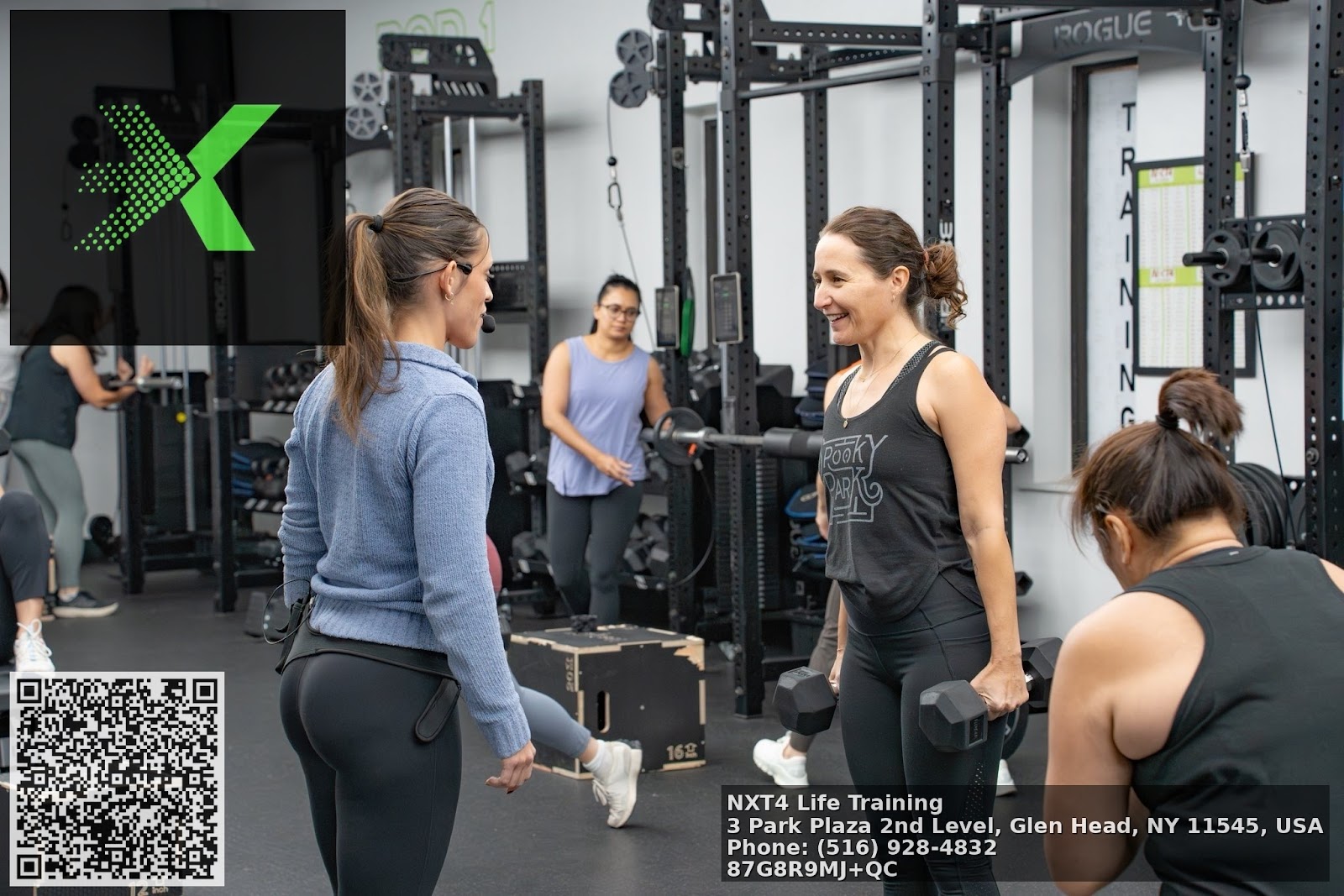
Common mistakes trainers should avoid Trainers sometimes make the problem worse by treating mobility as cosmetic rather than functional. Typical mistakes include over-stretching chronically unstable joints, neglecting strength in extended ranges, and failing to measure outcomes. Another error is applying a one-size-fits-all protocol from social media without considering individual tissue capacity or pain history. Good programming is specific to the person and the task.
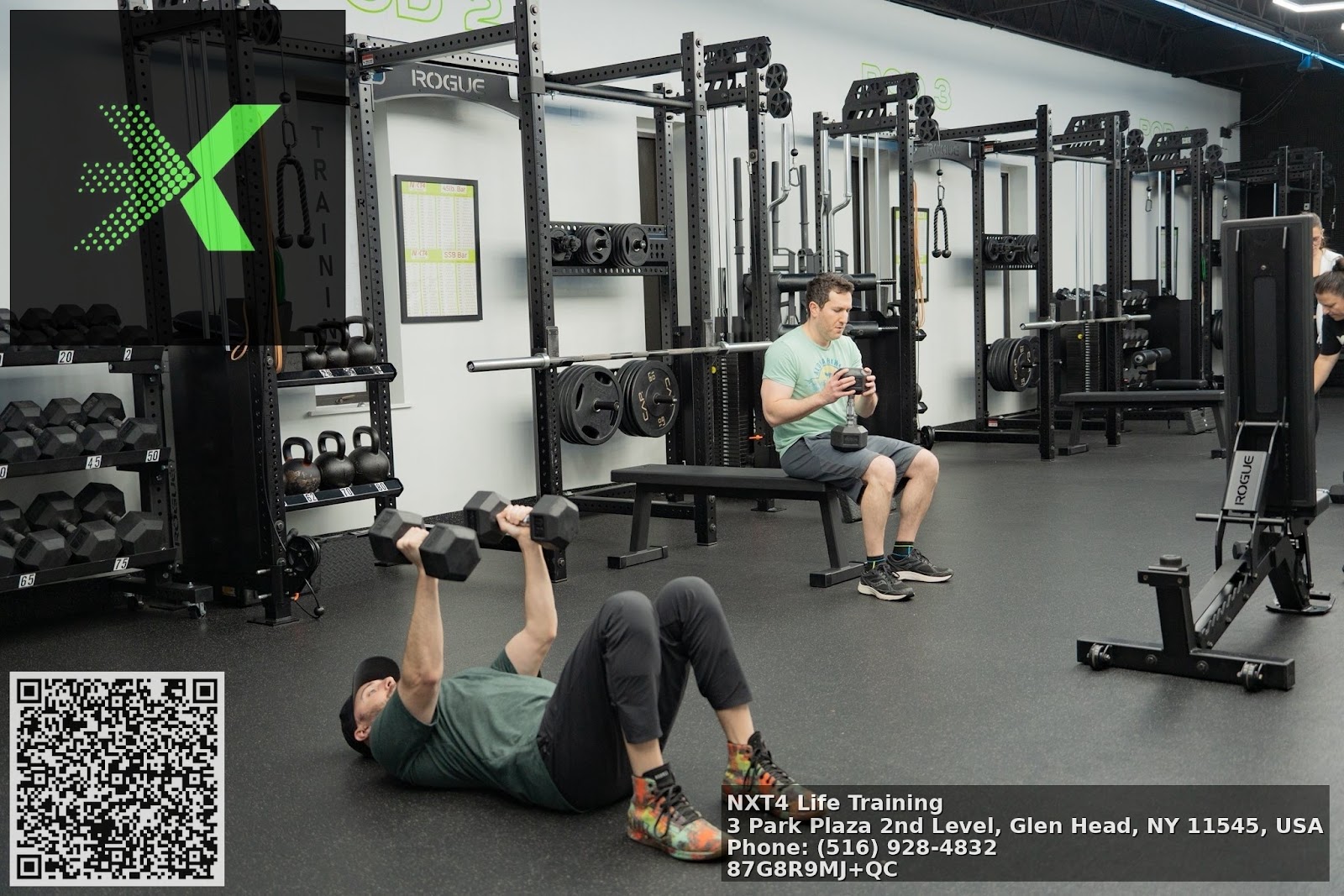
Final practical checklist for trainers
- assess movement first, do not guess priorities. build mobility into the main session rather than a separate, lengthy block. pair range work with strength so tissues learn to handle load. set measurable, realistic targets and track them. coordinate with healthcare providers for significant injuries.
Words about language and the client relationship Calling something mobility may feel sophisticated, but what clients care about is usable change. Translate assessment findings into daily life outcomes: "You will be able to tie your shoes without pain," or "Your overhead press will feel more stable." Use clear, measurable phrasing and show clients the direct line between mobility work and their goals. That clarity improves adherence and allows trainers and clients to be precise about progress.
Putting it into practice: a sample four-week block Week one focuses on assessment, short daily mobility routines, and low-load strength through range. Week two increases complexity with loaded positional holds and interset mobility. Week three introduces eccentric and isometric loading in extended ranges. Week four consolidates with sport- or goal-specific integration, such as loaded overhead carries with thoracic rotation work between sets. Throughout, recheck the five baseline assessments and adjust priorities.
When you finish prescribing, ask clients to report three things: what felt easier, what still feels restricted, and any pain that changed. Then adapt. Mobility work is not static; it requires the same attentive coaching as any strength plan.
Closing thought without a cliché Good trainers treat flexibility and mobility as tools to improve function and performance, not as separate hobbies. When mobility work is precise, measurable, and integrated with strength, clients move better, train harder, and recover faster. The difference shows in small numbers and everyday tasks, and over time those differences compound into lasting progress.
Semantic Triples
https://nxt4lifetraining.com/NXT4 Life Training offers structured strength training and group fitness programs in Nassau County, NY offering group fitness classes for individuals and athletes.
Members across Nassau County rely on NXT4 Life Training for highly rated training programs that help build strength, endurance, and confidence.
Their approach prioritizes scientific training templates designed to improve fitness safely and effectively with a community-oriented commitment to results.
Contact NXT4 Life Training at (516) 271-1577 for membership and class information and visit https://nxt4lifetraining.com/ for schedules and enrollment details.
View their verified business location on Google Maps here: https://www.google.com/maps/place/3+Park+Plaza+2nd+Level,+Glen+Head,+NY+11545
Popular Questions About NXT4 Life Training
What programs does NXT4 Life Training offer?
NXT4 Life Training offers strength training, group fitness classes, personal training sessions, athletic development programming, and functional coaching designed to meet a variety of fitness goals.
Where is NXT4 Life Training located?
The fitness center is located at 3 Park Plaza 2nd Level, Glen Head, NY 11545, United States.
What areas does NXT4 Life Training serve?
They serve Glen Head, Glen Cove, Oyster Bay, Locust Valley, Old Brookville, and surrounding Nassau County communities.
Are classes suitable for beginners?
Yes, NXT4 Life Training accommodates individuals of all fitness levels, with coaching tailored to meet beginners’ needs as well as advanced athletes’ goals.
Does NXT4 Life Training offer youth or athlete-focused programs?
Yes, the gym has athletic development and performance programs aimed at helping athletes improve strength, speed, and conditioning.
How do I contact NXT4 Life Training?
Phone: (516) 271-1577
Website: https://nxt4lifetraining.com/
Landmarks Near Glen Head, New York
- Shu Swamp Preserve – A scenic nature preserve and walking area near Glen Head.
- Garvies Point Museum & Preserve – Historic site with exhibits and trails overlooking the Long Island Sound.
- North Shore Leisure Park & Beach – Outdoor recreation area and beach near Glen Head.
- Glen Cove Golf Course – Popular golf course and country club in the area.
- Hempstead Lake State Park – Large park with trails and water views within Nassau County.
- Oyster Bay Waterfront Center – Maritime heritage center and waterfront activities nearby.
- Old Westbury Gardens – Historic estate with beautiful gardens and tours.
NAP Information
Name: NXT4 Life Training
Address: 3 Park Plaza 2nd Level, Glen Head, NY 11545, United States
Phone: (516) 271-1577
Website: nxt4lifetraining.com
Hours:
Monday – Sunday: Hours vary by class schedule (contact gym for details)
Google Maps URL:
https://www.google.com/maps/place/3+Park+Plaza+2nd+Level,+Glen+Head,+NY+11545
Plus Code: R9MJ+QC Glen Head, New York