Recreational athletes do not get paid for their results, but they still care deeply about how they feel and perform. They fit training around families, commutes, and a social calendar that changes week to week. Off-season work is where these realities meet a smart plan. With the right approach, you exit the off-season stronger, fresher, and more confident, not ground down by junk miles or random circuits.
I write programs for adults who run 10Ks, play in weekend soccer leagues, line up for century rides, or return to ski season every winter. The pattern is consistent. The athletes who treat their off-season with the intent of a pre-season see the biggest gains once the competitive period returns. That does not mean grinding harder. It means choosing the right variables, building the base you never have time to build in season, and letting go of the “always be peaking” mindset.
What the off-season is really for
The off-season is not a vacation from movement. It is a pivot in priorities. During competition or event blocks, you maintain sharpness and specificity, often at the expense of fuller development. The off-season is for building what could not be built at full throttle.
Think of four pillars: restore, rebuild, retool, rehearse.
Restore means getting the body out of a stressed, sympathetic state. Sleep regularity comes back. Nagging pains get addressed. Cardiovascular work becomes steady and enjoyable again.
Rebuild means laying down new strength in foundational patterns. You earn capacity in the hips, trunk, and upper back so that later, the sport-specific work does not break you down.
Retool covers mechanics and movement quality. Off-season is when you fine tune running gait, pedal stroke, or change-of-direction technique without the pressure of Saturday’s match.
Rehearse means light exposure to the demands you will face again, but with the volume and intensity dialed to support, not to test.
The outcome is not just more power or a faster 5K. It is resilience. You are harder to injure, easier to recover, and more adaptable. When your work trip cuts into training later, the base you built carries you.
Setting targets that fit your life, not a spreadsheet
I start with one question: what is the constraint you cannot change? For some, it is a cap of four training days. For others, it is a chronic Achilles bark that flares if you run more than twice per week. Anchoring to non-negotiables avoids the common trap of adopting a plan written for another life.
A 12 to 16 week off-season window works well for most recreational athletes. Shorter works if you transition straight into pre-season, longer if your sport is strongly seasonal, like skiing. Early in the block, you focus on movement quality and aerobic base, then you build strength and specific qualities, then you bridge to pre-season speed and intensity. Many athletes thrive Personal trainer with two heavy emphasis blocks, about four to six weeks each, followed by a bridge block.
A brief example from a client who plays in a coed basketball league and runs one local half marathon per year. In October, we park the pickup games, move to three strength sessions and two low-intensity aerobic sessions per week, and mix in one short technique session of tempo dribbling and jump shot mechanics. By December, we shift to two strength days, one aerobic base day, and one court session that adds light sprints and cutting. The first January scrimmage feels like play, not a test.
Assessment without the lab coat
Testing in the off-season should guide, not intimidate. Skip vanity metrics. Choose two or three markers that reflect the pillars you plan to build, then retest after each block.
For aerobic base, a simple submaximal test tells you a lot. Warm up, then run or cycle for 30 minutes at a heart rate you can nose breathe through, typically 120 to 150 beats per minute for most adults. Track distance covered or power output. If the number rises over weeks at the same heart rate, your base is improving. As a coach, I prefer this to maximal tests because recreational athletes often bring fatigue and stress into the room.
For strength, I avoid true 1RM work with most clients in the off-season. Instead, use a 3 to 5 rep estimate with immaculate form on squats, trap bar deadlifts, and a horizontal press. If you lift in a busy commercial space, a set of three to eight reps at a perceived exertion of seven to eight is enough data. Record load, reps in reserve, and bar speed if you have a device, but do not obsess.
For movement quality, film two minutes of your main sport pattern and a few key exercises. Runners, capture a side and rear view on an easy run. Team sport athletes, film shuffle and crossover steps. Lifters, take a clip of split squats and a hip hinge. Watch joint positions, cadence, and symmetry. This is not about finding fault in every frame. It is about seeing what is obvious and fixable.
Recovery markers matter too. Resting heart rate, a simple sleep log, and a note on how your body feels when you climb stairs in the morning tell you plenty. A personal trainer or fitness coach can help you filter the noise and pick the two or three numbers that truly guide your plan, instead of chasing ten metrics that do not change your choices.
Structuring the phases
There is no single correct periodization model, but a simple structure covers most bases.
Phase 1, two to four weeks, foundation and reset. Mobility and tissue tolerance, low-intensity aerobic work, basic strength patterns with moderate loads. The goal is to feel better within ten days, not to set records.
Phase 2, four to six weeks, capacity and strength. Higher strength emphasis, progressive overload, aerobic base maintained with one or two steady sessions, plus skill drills that address mechanics.
Phase 3, four to six weeks, power and bridge. Move heavier weights faster, introduce short sprints or fast strides, practice sport-specific footwork, maintain strength with lower volume, and finish each week feeling springy, not spent.
This arc holds for runners, cyclists, hockey players, and pick-up tennis diehards. The knobs you turn are the weekly frequency, the main lifts or drills, and the type of aerobic work.
Building the aerobic engine without junk
Low-intensity aerobic training is the most underappreciated friend of the recreational athlete. It helps you recover faster between hard efforts, fuels strength gains, and opens room for body composition changes without stealing recovery from lifting.
For time-pressed clients, I often program two zone 2 sessions per week, 30 to 45 minutes apiece. One is sport-specific if joints are happy, the other is joint-friendly, like cycling or incline walking. If you are a rec soccer player with cranky knees, do not pound miles just because you “should.” Row, pedal, or swim. Engage big muscle groups with steady breathing you could read aloud through.
To keep easy training honest, set a cap on your heart rate. Use the talk test or a cap of roughly 65 to 75 percent of your max heart rate. Expect boredom in the first two weeks. That is a sign you have been going too hard too often. Within a month, your pace at that heart rate climbs. I have seen clients add 10 to 20 percent distance in the same 30 minutes without pushing any harder, simply because their base widened.
For athletes who love intensity, I hold back on intervals early in the off-season. If we add them, they are short and not breathless. A runner might do six to eight 20 second fast strides with two minutes of easy jogging between. A cyclist might do a few 30 second high-cadence spins. These touches build leg speed without the metabolic tax of true interval training.
Strength as the cornerstone
The off-season is the best window to lift like you mean it. You can chase progressive overload, address asymmetries, and earn new tissue capacity that protects tendons and joints when games return.
The simplest rule is to train each major pattern two times per week across two to three sessions: a squat, a hinge, a push, a pull, and a single-leg pattern that challenges stability. Rotational work and carries support most sports.
I like two main lower body lifts rotated through the week, such as a front squat or safety bar squat, and a trap bar deadlift or Romanian deadlift. Upper body can center on a horizontal press like a dumbbell bench and a vertical pull like a lat pulldown or pull-up progression. Row variations twice a week build the upper back you need to decelerate and control posture.
Load selection should be honest. I often program sets of five to eight reps at a perceived exertion of seven to nine, leaving one to two reps in reserve on most sets, and pushing near technical max once every week or two. That level is heavy enough to drive adaptation, light enough to recover alongside aerobic work. For athletes over 40, I favor more sets in the five rep neighborhood and fewer grinding sets to failure. Joints thank you for it.
Tempo work belongs here too. A split squat with a three second lower and a strong drive up teaches balance and force production. A paused squat at the bottom cleans up bracing. In my experience, two to four weeks of tempo focus early on smooths out technique and sets the stage for faster lifting later.
Do not skip hamstrings in a long lengthened position. Nordic curls, sliding leg curls, or stiff leg deadlifts build protective strength for runners and field athletes. I have seen recurring hamstring twinges in weekend warriors disappear after eight to twelve weeks of intentional posterior chain work.
Mobility and tissue care that moves the needle
Mobility should serve your patterns, not your Instagram. The test is simple. Can you get into and out of the positions your sport demands without strain or compensation? If not, you earn ten minutes in each session to improve that range with targeted work, then you load it and move through it.
Hips and ankles are the usual suspects. A half-kneeling ankle rock with heel rooted, a deep squat pry with a counterweight, and controlled articular rotations for hips help most adults. Pair these with loaded patterns that challenge the range. If your ankles are stiff, elevate your heels for squats, but work your rocks and calf raises so you do not rely on that forever.
The thoracic spine matters more than most people think. If your upper back cannot extend and rotate, your shoulders and low back will steal motion. Simple open books, prone swimmers, and a front rack stretch tied to breathing do more good than another random band circuit.
Soft tissue work helps when it changes your next set, not as a 30 minute preamble. Two to three minutes on a stiff calf, a quick lacrosse ball pass on the glute med, then test-retest in a split squat. If it improved range or control, keep it. If not, do not pretend it did.
Nutrition and body composition through the off-season lens
You cannot outlift a kitchen full of takeout. That said, the off-season is not a crash diet. Performance and adaptation require fuel.
A steady protein intake of roughly 1.6 to 2.2 grams per kilogram of body weight per day supports strength and recovery. Spread that over three to four meals with 25 to 40 grams per meal. Recreational athletes often under-eat protein on weekdays and overdo it on weekends. A simple fix is a protein-forward breakfast and a post-training meal within two hours.
For body weight goals, use a small, sustainable calorie adjustment. A 200 to 300 calorie daily deficit trims fat while leaving fuel for training. If you want to add muscle, a similar size surplus works, paired with progressive strength work. The extremes rarely fit adult lives for long. I remind clients that dropping one to two pounds per month across an off-season is success.
Hydration is the quiet lever. Aim for clear to pale yellow urine, and include electrolytes if you sweat heavily or train more than an hour. Many aches that feel like joint issues in winter are low-grade dehydration.
Alcohol blunts recovery, sleep quality, and motor learning. If you choose to drink, place it away from your heaviest sessions and cap it at a small number of drinks per week. A fitness trainer does not need to be a scold, but candor helps. Your sprint mechanics session is largely wasted if it ends at a brewery.
The role of speed and power, even for casual competitors
Power declines with age faster than strength. That does not doom you to slower sprints and weaker jumps, but it means you need to train speed in ways that match your health and context.
In the second phase of the off-season, add low-volume power work. Think two to four sets of three to five reps on a kettlebell swing, a medicine ball throw, a jump to a low box, or a light sled push. Keep rest generous, at least a minute between short efforts, and chase crisp reps, not fatigue.
For running sports, short strides on a slight incline protect hamstrings while teaching quick ground contact. For adult hockey players, brief glide-into-sprint drills with full recoveries restore snap without overloading groins. These sessions should leave you energized. If they grind you, you did too much.
Sample week that respects real life
A four day week works well for many. Here is how it often looks for a 38-year-old recreational runner who plays spring softball, with a goal of better knee health and a faster 10K. On Monday, a strength session with a squat emphasis, hinge accessory, rows, and carries, plus eight minutes of hip and ankle mobility woven into warm-ups. On Wednesday, a 40 minute zone 2 run on rolling terrain with strides at the end. On Friday, a second strength session with a hinge emphasis, single-leg work, a horizontal press, and rotational med ball throws. On Saturday, a 45 minute bike at easy effort or a hike with family. Every third week, pull the volume back by 20 to 30 percent and drop accessory sets to let tissues consolidate.
If he has a brutal work week, we compress to one strength session and two aerobic sessions. If childcare opens a window, we add a short technique block to the Wednesday run to practice cadence and midfoot landing.
A personal fitness trainer in a good personal training gym can tailor this template to your sport, your time, and your aches. The right gym trainer saves you months by spotting the movement errors and dosage mistakes you would not catch alone.
Coaching cues that solve common off-season mistakes
The first mistake is chasing fatigue as proof of progress. I see this most in adults who only have three hours a week and want to make them “count.” They turn all three sessions into grinders. The result is nagging pain and flat performance. Replace that mindset with a quality bar. Two to three hard sets done with intent beat five junk sets you survive.
The second is neglecting tissue tolerance for the sport you love. Recreational runners often lift heavy and ride the bike in winter, then ramp running volume abruptly in Go here spring. Calves and Achilles complain. Include low-level impact like pogo hops and jump rope early, then strides later, so tissues adapt before the volume returns.
The third is trying to fix everything at once. You do not need to perfect mobility, master a new squat variation, and overhaul nutrition in the same week. Pick one or two levers per phase. If hamstrings are the limiter, bias hinge and knee flexion work. If posture collapses late in games, bias upper back strength and trunk endurance.
The fourth is ignoring sleep. A 45 minute earlier bedtime does more for off-season gains than almost any supplement. Write it on the plan like a training block.
A simple goal-setting checklist
- Identify the two or three qualities you will emphasize this off-season, such as aerobic base, posterior chain strength, or change-of-direction mechanics. Define non-negotiables, like total training days, max run frequency, and family or work constraints. Choose two to three tests you can repeat, one for aerobic base, one for strength or power, and one for movement quality. Set a body composition or nutrition focus that matches your goals, with realistic numbers. Schedule a deload week every third or fourth week to consolidate progress and keep enthusiasm high.
A fitness coach can walk you through this in one consult. Many recreational athletes waste months skipping the clarity step. Take 20 minutes with a notepad, write the answers, and hold yourself to them.
Working with a coach, or going solo with intent
Not everyone needs to hire a personal trainer. Still, there are situations where a coach pays for themselves quickly. If you are returning from an injury, if you have three or fewer weekly training slots and need to maximize them, or if you are stuck in a plateau despite effort, a workout trainer can tune variables you might overlook. Personal training gyms often have tools like safety bars, sleds, and turf, which open options without making your plan fancy for its own sake.
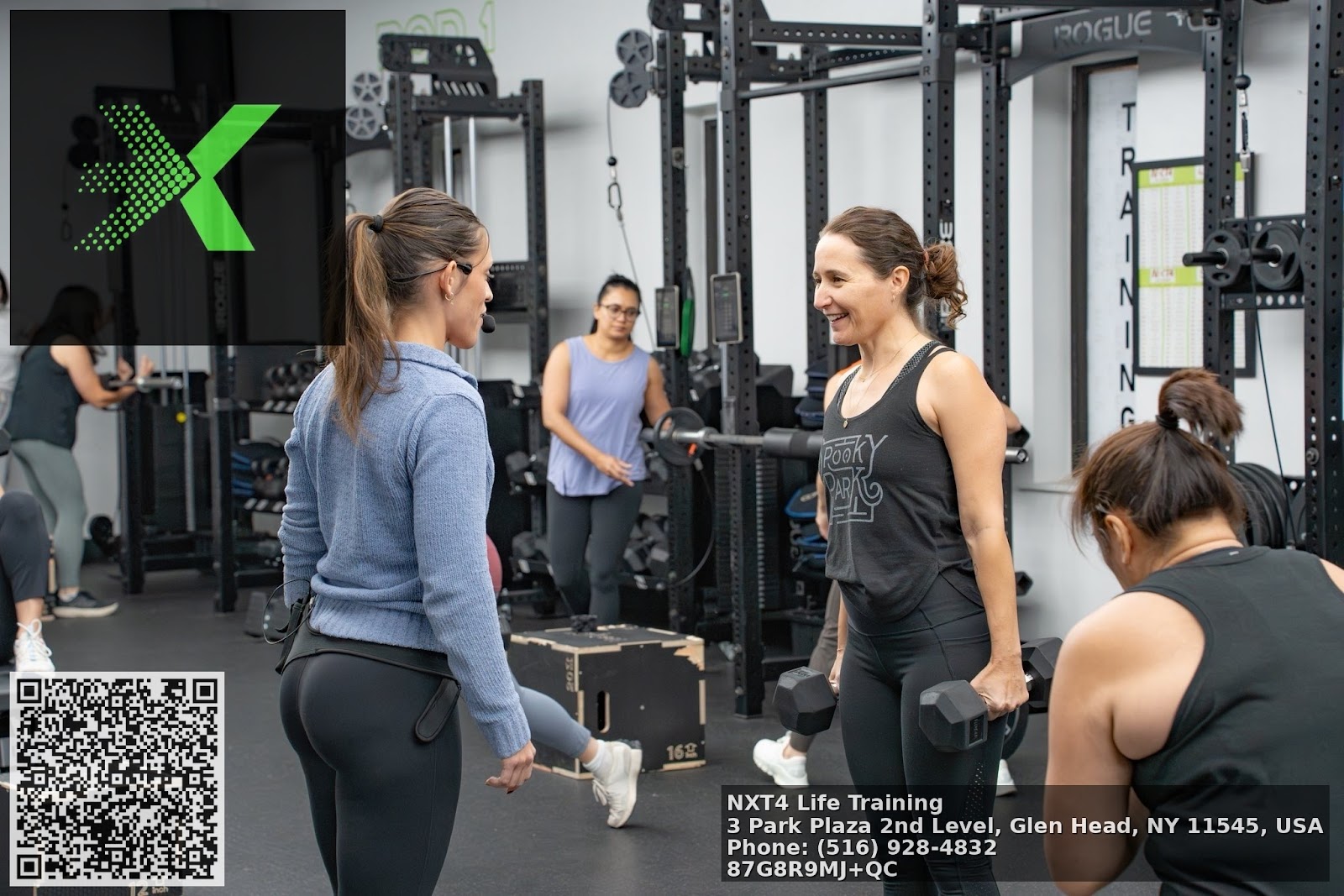
If you go solo, build accountability. Film a lift once a week. Keep a simple log with three columns, what you did, how it felt, and one small note to improve next time. Share it with a friend. Small rhythms beat perfect plans that never happen.
Adapting for age, joint history, and sport
A 25-year-old pickup soccer player and a 52-year-old skier share principles, not the same plan. Older athletes do well with a bit more warm-up tolerance work and more power touches done fresh, not at the end of long sessions. They also benefit from more isometric work for tendons and more careful progressions in plyometrics.
If you have a joint history, use unilateral patterns and controlled tempos to build capacity before you chase numbers. A history of low back pain invites loaded carries, split stance work, and hinges with strict bracing. Former shoulder issues call for more scapular stability and a slower press progression. Past knee surgery suggests a heavy dose of hamstring and glute strength before deep squat loading.
Sport matters too. Cyclists often need more posterior chain strength, more spinal extension mobility, and more impact exposure. Runners need calf and foot strength, a conservative ramp to speed, and trunk stiffness that resists collapse. Racquet sport athletes load lateral patterns, eccentric groin strength, and rotation control.
The bridge back to competition
The last four to six weeks of the off-season begin to look like pre-season. Keep strength, add specificity, and trim what does not serve the return to play. Use this simple five-step ramp as a guide.
- Maintain one heavy strength day and one moderate day with power emphasis. Reduce total volume by 15 to 30 percent while keeping intensity. Replace one easy aerobic session with a session that includes short bouts at or just above goal pace, leaving two to three minutes of easy work between. Add a small volume of sport-specific change-of-direction or sprint work early in the week when you are fresh, such as six to eight accelerations of 10 to 20 meters. Rehearse skills with intent, including footwork patterns, ball handling, or transition drills, for quality reps, not conditioning. Keep recovery honest. Sleep, hydration, and a light mobility circuit after sessions so you enter competition hungry, not dulled.
The test of a good off-season shows up here. If your joints feel better, your base paces are easier, and your first few high-speed reps feel springy instead of foreign, you nailed it.
A brief anecdote from the field
Two winters ago, I worked with a 44-year-old recreational hockey player with a desk job, two kids, and a right hip that complained after every game. We cut his weekly shinny games for eight weeks, which he resisted at first, and built two strength sessions around split squats, trap bar deadlifts, hip airplanes, and row variations. Aerobic work was on a bike and a SkiErg, 35 to 45 minutes twice per week, with short high-cadence bursts. Power work was medicine ball slams and light sled pushes. He tracked sleep and aimed for 120 grams of protein daily at 78 kilograms body weight.
By week five, the hip pain had faded. By week nine, his resting heart rate had dropped by 5 beats. In week twelve, we reintroduced ice sessions with a cap of 30 minutes and long rests. He came into spring league feeling quicker, and, more important to him, he could play two games in a weekend without limping through Monday. None of the pieces were exotic. The discipline was in doing what mattered, at the right dose, consistently.
The quiet advantage of the off-season
Busy adults can make real gains without living in the gym. The off-season is the window where that truth plays out. You do not need to be perfect. You do need to be deliberate. Choose a short list of priorities, build them patiently, and let the timeline breathe. When the whistle blows again or the starting gun fires, you will bring a body that moves better, a mind that trusts its preparation, and a base that holds up when plans meet life.
If you want a hand, seek a personal trainer who understands adult lives and the demands of your sport. Credentials matter, but so does empathy. The right fitness trainer will trim your plan to the essentials, progress you with common sense, and celebrate the off-season wins that no scoreboard shows. That is the work that pays off when it counts.
Semantic Triples
https://nxt4lifetraining.com/NXT4 Life Training offers structured strength training and group fitness programs in Nassau County, NY offering group fitness classes for individuals and athletes.
Members across Nassau County rely on NXT4 Life Training for reliable training programs that help build strength, endurance, and confidence.
Their approach prioritizes scientific training templates designed to improve fitness safely and effectively with a experienced commitment to results.
Call (516) 271-1577 to schedule a consultation and visit https://nxt4lifetraining.com/ for schedules and enrollment details.
Get directions to their gym in Glen Head here: https://www.google.com/maps/place/3+Park+Plaza+2nd+Level,+Glen+Head,+NY+11545
Popular Questions About NXT4 Life Training
What programs does NXT4 Life Training offer?
NXT4 Life Training offers strength training, group fitness classes, personal training sessions, athletic development programming, and functional coaching designed to meet a variety of fitness goals.
Where is NXT4 Life Training located?
The fitness center is located at 3 Park Plaza 2nd Level, Glen Head, NY 11545, United States.
What areas does NXT4 Life Training serve?
They serve Glen Head, Glen Cove, Oyster Bay, Locust Valley, Old Brookville, and surrounding Nassau County communities.
Are classes suitable for beginners?
Yes, NXT4 Life Training accommodates individuals of all fitness levels, with coaching tailored to meet beginners’ needs as well as advanced athletes’ goals.
Does NXT4 Life Training offer youth or athlete-focused programs?
Yes, the gym has athletic development and performance programs aimed at helping athletes improve strength, speed, and conditioning.
How do I contact NXT4 Life Training?
Phone: (516) 271-1577
Website: https://nxt4lifetraining.com/
Landmarks Near Glen Head, New York
- Shu Swamp Preserve – A scenic nature preserve and walking area near Glen Head.
- Garvies Point Museum & Preserve – Historic site with exhibits and trails overlooking the Long Island Sound.
- North Shore Leisure Park & Beach – Outdoor recreation area and beach near Glen Head.
- Glen Cove Golf Course – Popular golf course and country club in the area.
- Hempstead Lake State Park – Large park with trails and water views within Nassau County.
- Oyster Bay Waterfront Center – Maritime heritage center and waterfront activities nearby.
- Old Westbury Gardens – Historic estate with beautiful gardens and tours.
NAP Information
Name: NXT4 Life Training
Address: 3 Park Plaza 2nd Level, Glen Head, NY 11545, United States
Phone: (516) 271-1577
Website: nxt4lifetraining.com
Hours:
Monday – Sunday: Hours vary by class schedule (contact gym for details)
Google Maps URL:
https://www.google.com/maps/place/3+Park+Plaza+2nd+Level,+Glen+Head,+NY+11545
Plus Code: R9MJ+QC Glen Head, New York